Tips for Learning to Play the Piano
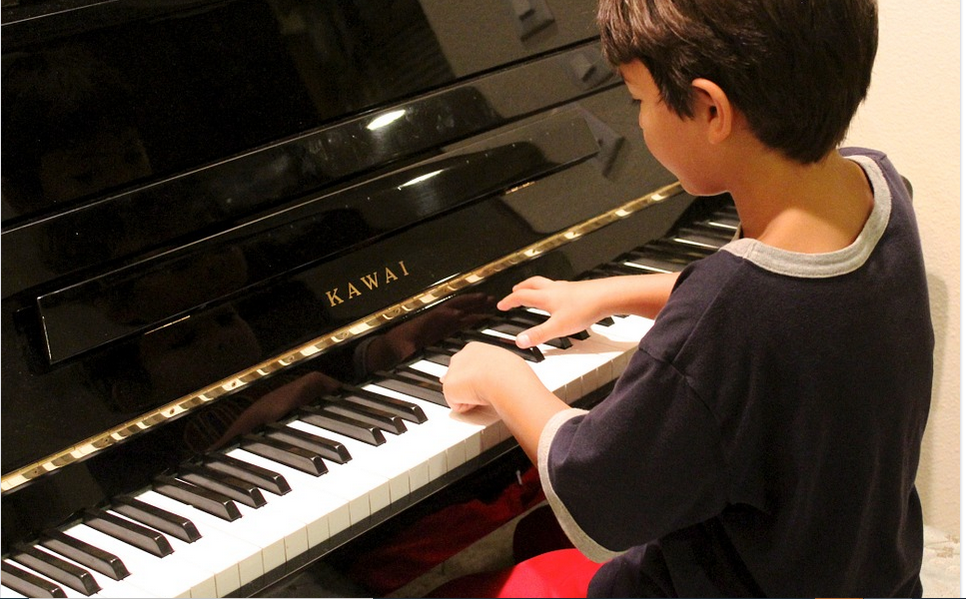
Playing the piano is one of the best ways to refresh and relax whether you are playing as a hobby or profession. When it comes to mastery of this organ, practice is paramount. However, it can be discouraging if you keep missing the keys or can’t coordinate with the beats. Apart from luring you with its exotic sounds that bring serenity into the mind, the piano’s color can give you creativity. For example, a pink grand piano can inspire you to be creative and to become better.
Below are some tips for learning how to play the piano:
Practice Regularly
 The fastest way to learn is through practice. The more you practice, the better for you to master the keys, beats, and rhythms. You can make a routine of practicing for at least twenty minutes each day. However, it is best to rest when practicing, especially if you practice for long periods to break the monotony. If possible, you can record what you are playing and listen to the recording later to gauge your progress.
Take Small Steps
Trying to master an arrangement at the first shot may be overwhelming and discouraging. You can take an arrangement in bits master one bit before moving to the next one. Work on goals and regularly evaluate your progress. You can set your own goals depending on your ability.
Listen to Many Songs
 Mastering the tunes of a song, especially when you are not playing, helps you familiarize yourself with tunes. It also helps you understand where you may be going wrong and need improvement. Mastering the song in your head for the next time you’ll play opens up your mind and allows you to practice from the point of knowledge.
Practice Even Without the Piano
You can finger-train anywhere. This will make your fingers flexible and fast. Some experienced players shut their eyes and play the piano in their minds. This act is therapeutic as it improves muscle memory. Practicing away from the piano also creates a perfect warm-up for your fingers. You are likely to make more mistakes when your fingers and hands are stiff. Regular practice away from the piano will make your fingers and hand lose enough to move around easily and faster when playing the actual piano.…
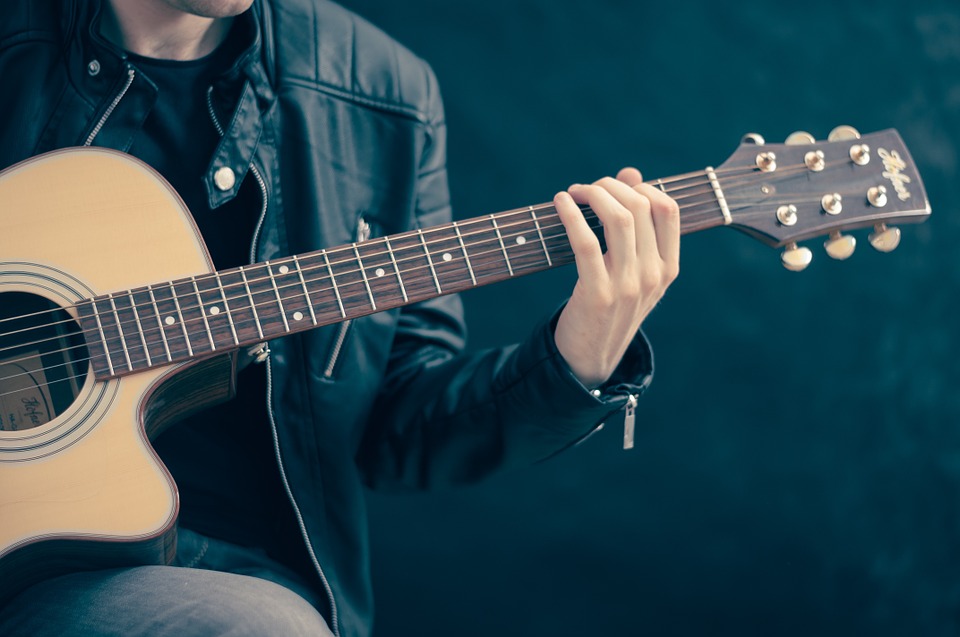
 The common mistakes both students and teachers make is assuming that good guitarists make good teachers. This has been a myth. Well recognized guitarists in the universe make awful teachers, while the best teachers are not the best when it comes to guitar playing. This concept needs to be well understood.
 For starter guitarists, your teacher should aim at you learning how to play songs on guitar as fast as possible. Standard notation is the best way to communicate musical ideas. If you can recite your circle of the fifth and know the difference between fermata and quarter-rest but cannot play smoke on the water, then you may have a problem as a guitarist. Your teacher should explain to you all you want to learn.